
Aerospace Emerging Technologies

May 23, 2022
As the AAM OEMs adjust to changes the FAA has made to how it will certify the aircraft, remaining AAM building blocks are taking shape.
May 20, 2022
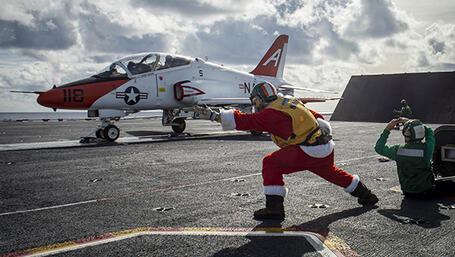
Can Magic Carpet render undergraduate carrier landings unnecessary for future Navy pilots
May 19, 2022
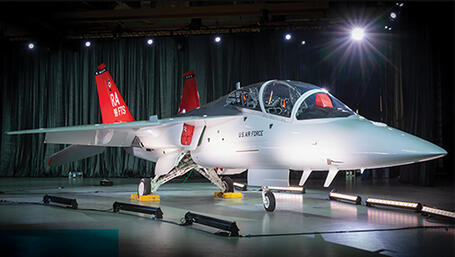
Boeing rolls out the EMD T-7A version but also announces new charges and delays on the program.

May 18, 2022
Subscale flight test; Nordic electric seaplane; shaped by flow control; and net-zero across the Atlantic.

May 18, 2022
Heavy-aircraft pilots will use simulators to bridge the gap between the initial turboprop trainer and operational aircraft.
Sep 23, 2021
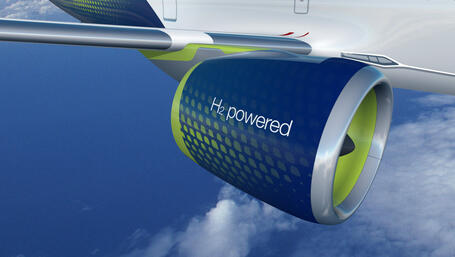
Airbus has been gathering positive signs that its 2035 ambition for a hydrogen-fueled commercial aircraft is realistic.
Sep 22, 2021
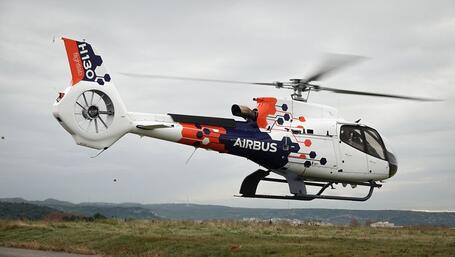
The EBS system uses a 100-kW electric motor connected to the main gearbox which could provide up to 30 sec. of additional power in the event of an engine failure, allowing the pilot to make a safe auto-rotation landing.

Sep 22, 2021
Under the name Volocopter (Chengdu) Technology, the new venture aims to offer UAM solutions to China.

Sep 22, 2021
The startup has decided it wants to start flying people as soon as possible and so will certify the autonomous single-seat Heaviside H2 now in flight testing as its entry into the market.
Sep 22, 2021
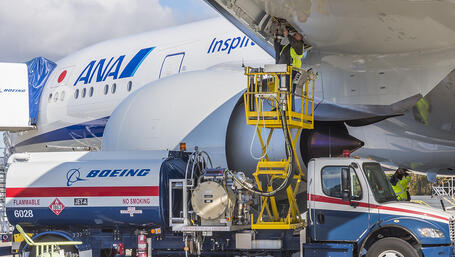
Reaching a target of 10% SAF use by 2030 will require the scaling up of production to at least 9.5 billion gal./year from the less than 10 million gal. produced in 2020.
Sep 22, 2021
As Airbus is exploring several technologies to drastically cut and eventually annihilate an aircraft’s CO2 emissions, its design engineers are considering micro-hybridization as a starting point in electrification.

Sep 22, 2021
Heart Aerospace has selected a supplier to complete preliminary design of the doors for its ES-19 all-electric 19-seat regional airliner while Deutsche Aircraft has chosen a company to produce the wing box and engine supports for its D328eco 40-seat regional turboprop.

Sep 21, 2021
The goal is to be able to fly missions longer than 200 km (125 mi.) with nine passengers and zero emissions.