
Latest Commercial Aviation Content by Aviation Week & Space Technology
May 06, 2013
The Transportation Security Administration (TSA) is using a series of simulations as exercises to bolster communications among airports, the local community and operators during times of increased security threats, says Kerwin Wilson, manager of TSA’s General Aviation Branch. The simulation exercises come as the TSA reviews a draft update to general aviation airport security guidelines.
May 06, 2013
Industry leaders are encouraged that they are seeing commitments from the highest levels of FAA to streamline the certification process, but plan to keep seeking congressional help to ensure that progress continues.
May 06, 2013
Cessna Aircraft has flown the first production model of the new Citation Sovereign, beginning the production flight-test program about six months after unveiling the upgraded aircraft. Cessna introduced the new Sovereign during the National Business Aviation Association’s annual meeting and convention in Orlando, Fla., in October, but the program had long since been under way.
May 06, 2013
The Santa Monica Airport in California is more than doubling its aircraft landing fees of $2.07 certified maximum gross landing weight per 1,000 lb. to $5.48 beginning Aug. 1. The Santa Monica City Council approved the change last week in an effort to cover what city officials have said has been a continuing shortfall that’s been ongoing for years. The fees will be applied both to transient and based aircraft.

May 06, 2013
In previous years, PMA parts, OEM vs. MRO, or in-house vs. outsource issues arose. Those topics still come up.

May 06, 2013
Regional airlines are undergoing a period of change in everything from ownership and partner relationships to route systems and aircraft fleets.
May 06, 2013
The RB211 program bankrupted Rolls-Royce, forcing the U.K. government to step in and save the project and the company. Both recovered—Rolls-Royce is still delivering and developing engines, and the RB211 will go down as one of the most versatile and successful engine series of the jet age.
May 06, 2013
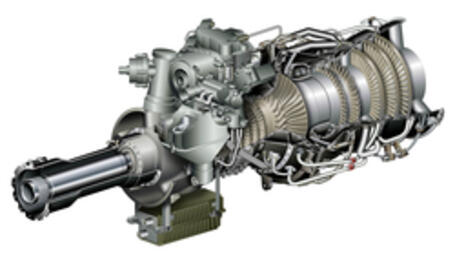
The tempo of new turboprop airliner and engine development is, by its very nature, slower than that of the turbofan-powered jetliner. Although confined to a niche market, turboprops have set such a high benchmark for efficiency since the 1990s that they have made themselves irreplaceable. Added to this, the overall lower volume of production and turnover in regional turboprops have made it tough to close the business case for expensive step-change replacements.