
Latest Commercial Aviation Content by Aviation Week & Space Technology

Feb 11, 2013
Airlines can perform predictive maintenance much more effectively because new aircraft yield more data, and the tools for exploiting it have improved dramatically. Yet ways of thinking and business processes also must change, which often is more difficult than tapping sensors.

Feb 11, 2013
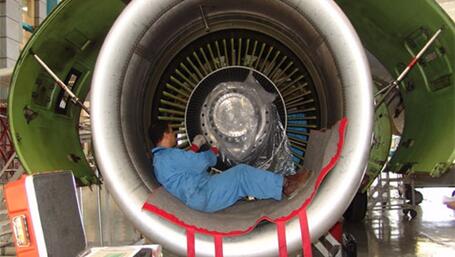
Asia, the Middle East and North America are emerging as the most attractive likely markets during the next three years for Boeing 777 widebody heavy maintenance visits and C checks, underscoring the potential for a capacity crunch heading the industry's way.
Feb 11, 2013
When you compound the current shortage by forecast fleet growth, the situation becomes more acute.
Feb 11, 2013
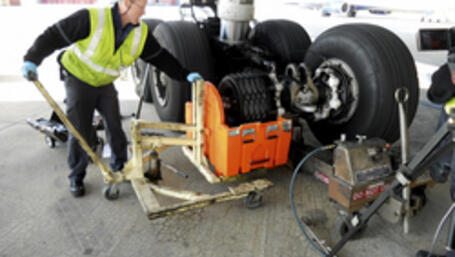
Think “brake container” and safety might not be one's first consideration. Perhaps it should be. Extricating aircraft brakes from traditional containers entails lots of tugging and plenty of manhandling. That's because “the brake lies horizontally,” says Ron Miller. He chairs the Joint Air Transport Safety Committee at the International Association of Machinists & Aerospace Workers. He estimates, depending on the aircraft, those brakes weigh 100-400 lb.

Feb 11, 2013
Firefly prospers by doing things differently

Feb 11, 2013
Production ramp-ups amid a transition into new products, particularly the CFM Leap single-aisle engine series and GE90 successor for Boeing's proposed 777X, are behind the late 2012 surge of acquisitions and joint ventures by GE Aviation, including the $4.3 billion purchase of Italian gearbox, turbine and transmission specialist Avio.

Feb 11, 2013
The future of the Tupolev Tu-204 narrowbody airliner looks ever more uncertain after Russian authorities suspended the air operator's certificate of the largest operator, Red Wings. The program is already in limbo, with no commercial orders at the moment.

Feb 11, 2013
The truth is that the future of air traffic management is already here and it is time to start running to meet it. It may be an uphill run, but to achieve our common vision of a globally harmonized and interoperable air navigation system we need to recognize what needs to be done and set about doing it.