
Why A&D CEOs May Be Happy To No Longer Counsel Trump
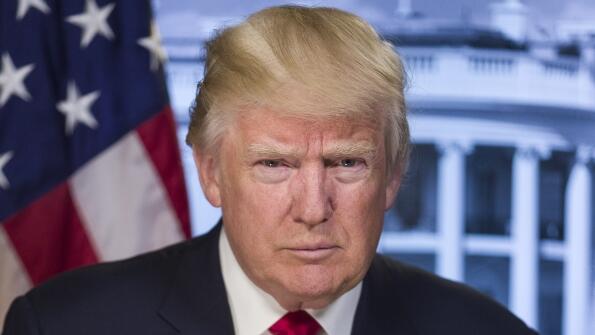
Few in the business world are likely to read much more from the rapid disintegration of President Donald Trump’s business councils today beyond CEOs making an astute public relations move.
By now, the reasons to quit the councils publicly, or quietly support their dissolution, are obvious: there is too much blowback from Trump’s response to what happened in Charlottesville, Virginia. And, as business columnists from Bloomberg to the Wall Street Journal were pointing out in recent days, the councils themselves were not producing much for CEOs anyway.
In other words, the issues many of these CEOs care about, like tax reform and lowering rates, repatriating profits to the U.S. for business use (including shareholder returns), are likely to continue at the same tepid pace because they center on Congress. With the GOP in charge there, these CEOs lose no ground. Same for potential defense spending increases.
At the same time, unless you count keeping Trump from suddenly exiting NAFTA, then arguably CEOs were not making much headway in curbing the down-sides either. After all, NAFTA is being renegotiated; there will be no Trans-Pacific Partnership trade deal; Trump appears to be ratcheting up China trade attacks – including an executive order on stealing intellectual property this week – and the president might have missed a prime opportunity to boost defense spending by issuing only a placeholder fiscal 2018 budget request.
Still, aerospace and defense CEOs were expected to be the last chief executives out the door because, of course, it’s folly to spit in the face of your largest customer. It is true that United Technologies Chairman, CEO and President Greg Hayes issued a statement after lunchtime that he was resigning from the American Manufacturing Council, but that came hours after Bloomberg already was reporting the councils were dissolving. By mid-afternoon Washington time, no similar statement had been issued for Boeing chief Dennis Muilenburg, Lockheed Martin chief Marilyn Hewson, or Harris head Bill Brown.
Yet, Hayes’s statement tells us a lot about what a CEO in their position is thinking. “The administration has other councils focused on other policy areas, such as developing a competitive income tax code and streamlining burdensome regulation,” Hayes said. “UTC strongly supports the goals of each of these advisory committees as a way of ensuring and enhancing America’s economic growth in the decades to come.
However, as the events of the last week have unfolded here in the U.S., it is clear that we need to collectively stand together and denounce the politics of hate, intolerance and racism. The values that are the cornerstone of our culture: tolerance, diversity, empathy and trust, must be reaffirmed by our actions every day,” Hayes added.
Why is this important to note? Because Millennials could have started to wonder why they should go work for UTC or other heritage A&D giants if they are so willfully going to side with Trump against ideals that their generation famously holds dear. For UTC, Lockheed, Boeing, Harris and others, recruiting the digitally savvy Millennials is uber-important. Digital talent is at the center of their workforce concerns, as expressed by trade groups from every corner of the A&D sector. No wonder A&D CEOs may have been happy to follow, although not lead, other CEOs out the White House door.
What do you think?