
Sustainability: Industry's Next Steps
Even before sustainability climbed up the global agenda, aviation had every incentive to cut its fuel consumption and therefore emissions. Although there has been real progress, there is also much work still to be done, and major challenges lie ahead for aviation.
These challenges will encompass not only new technology, including airframe and propulsion types that will make aviation cleaner and more efficient, but also a host of regulatory hoops through which the aviation community must pass.
Aviation Week Network continues to explore the ongoing initiatives underway.
Top story

Latest News & Analysis

Jul 07, 2021
Lufthansa Technik is working with German research partners to research and design maintenance and ground processes for hydrogen-powered aircraft.

Jul 07, 2021
The UK is looking for a zero-emission training aircraft as the Royal Air Force (RAF) targets net-zero carbon emissions by 2040.
Jul 02, 2021
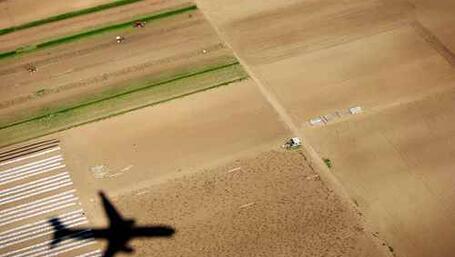
Your Runway to Success, published today by SITA, sets out five critical areas for the air transport industry’s rebuild in the next 18 months and highlights SITA’s remodelled solutions to tackle the major challenges facing air travel in the wake of the COVID-19 pandemic.
Jun 29, 2021
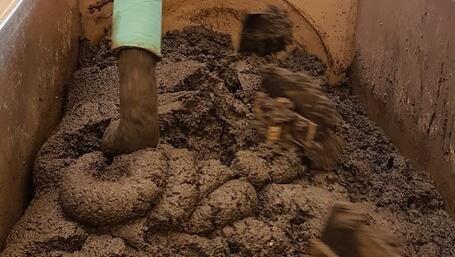
A European research project has demonstrated the potential to produce sustainable aviation fuel (SAF) from a wide range of organic wastes including sewage sludge and manure.
Jun 28, 2021
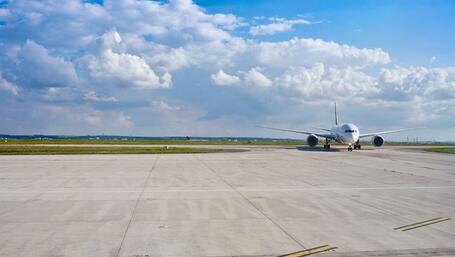
The addition of sustainable aviation fuel at Cologne Bonn Airport has been driven in part by demand from air freight operators looking to offer a lower-carbon to their customers.

Jun 28, 2021
The startup's modified Cessna 337H Skymaster prototype will soon start touring between midsize regional airports across France.

Jun 28, 2021
Fuel cells for aircraft power; Blade UAM expands; Volocopter Paris flight; Vertiport partnerships; and Japan SAF flights.
Jun 21, 2021
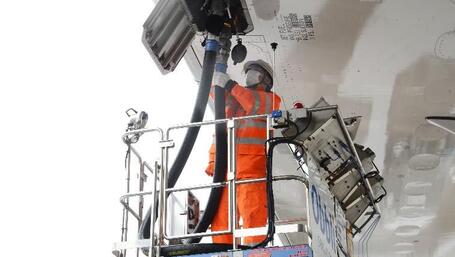
All Nippon Airways and Japan Airlines have committed to being net-zero carbon by 2050, while Japan aims to commercialize domestically produced sustainable aviation fuels by 2030.