Knowledge Center

Access our growing collection of digital resources from thought leaders around the industry. Browse the selection and download what you need, when you need it.
Showing 1 - 1 of 1

Propulsion Highlights of 2023

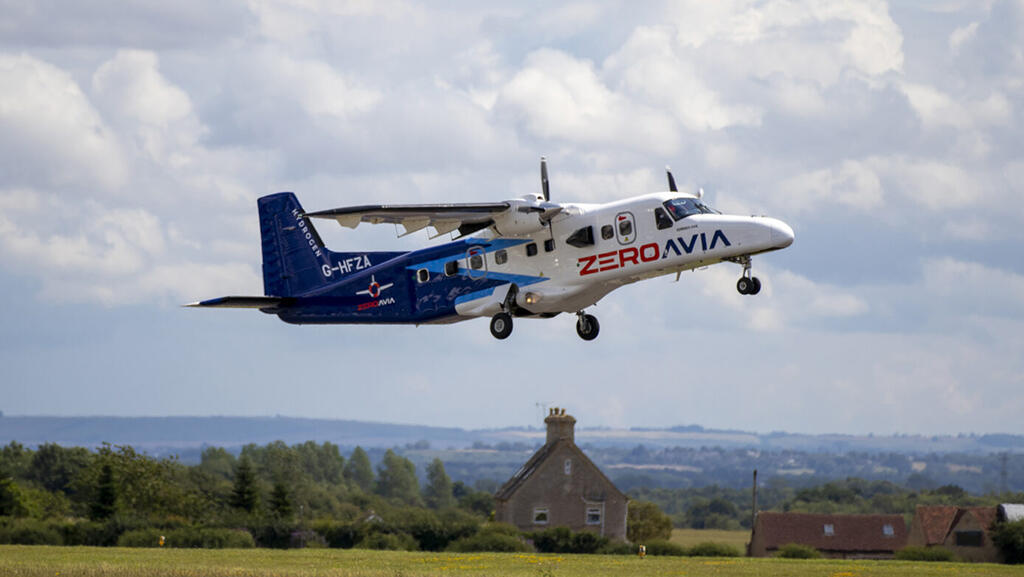
Dornier 228

ZeroAvia ZA600

Credit: ZeroAvia

After replacing one of the turboprops on a 19-seat Dornier 228 with a prototype of its 600-kW ZA600 hydrogen-electric powertrain, startup ZeroAvia conducted the first flight from Kemble, England, on Jan. 19, the testbed becoming the largest aircraft to date to fly with hydrogen fuel-cell propulsion.

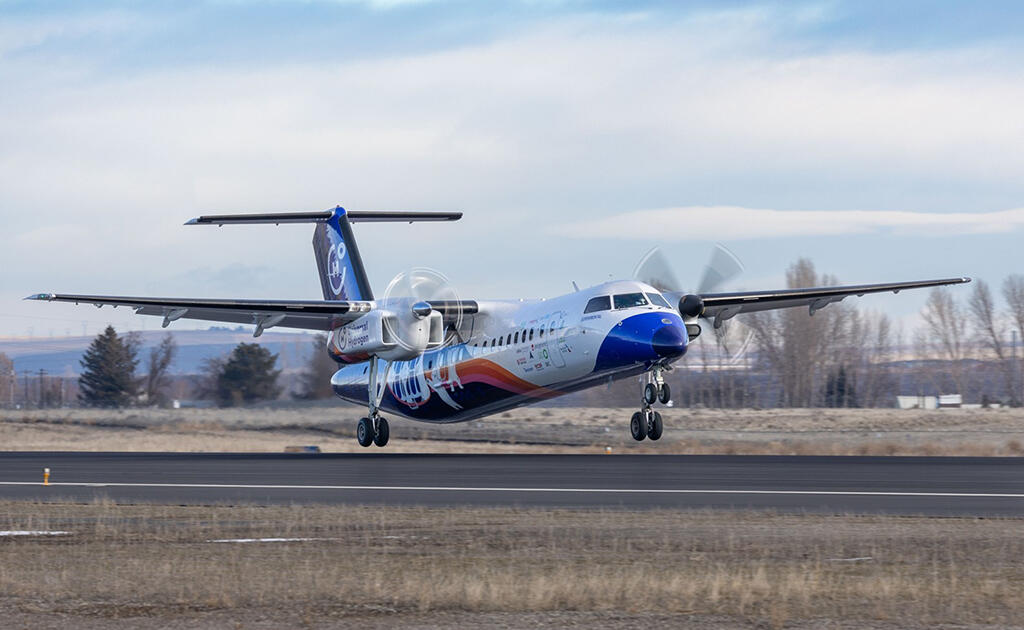
De Havilland Canada Dash 8-300

Universal Hydrogen

Credit: Universal Hydrogen

Startup Universal Hydrogen seized the crown of the largest aircraft to fly on hydrogen fuel-cell propulsion on March 2 when it flew a 40-passenger De Havilland Canada Dash 8-300 modified with one of its turboprops replaced by a 1-megawatt-class hybrid-electric powertrain demonstrator system.

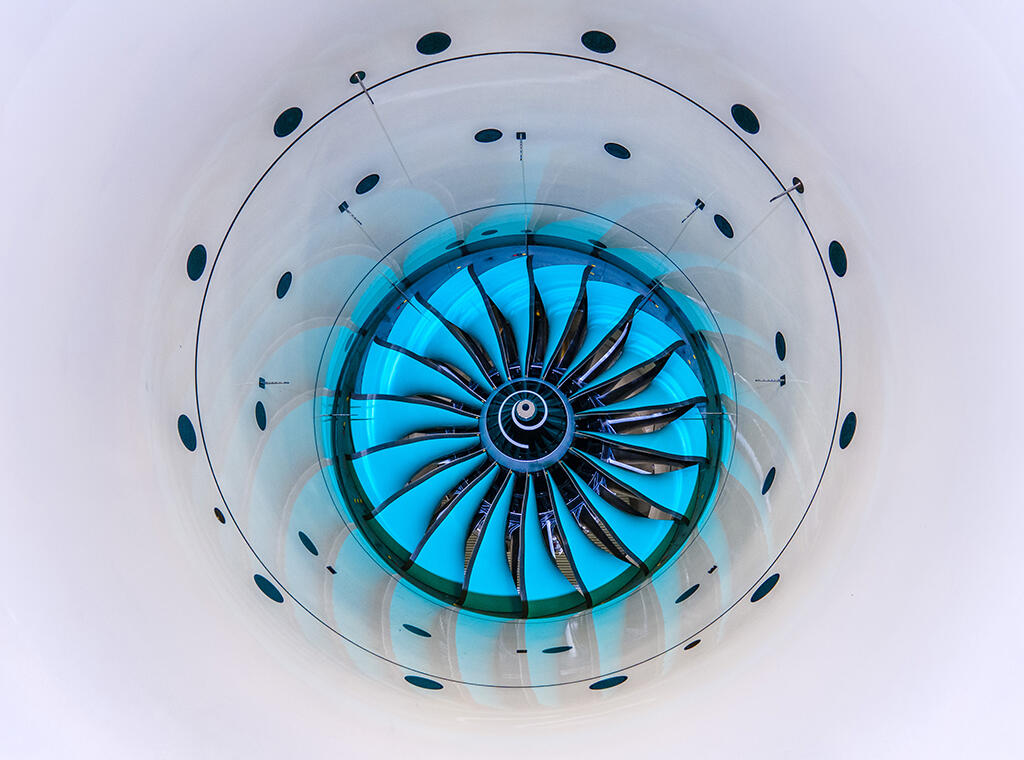
UltraFan demonstrator engine

Rolls-Royce UltraFan

Credit: Rolls-Royce

Rolls-Royce ran its UltraFan demonstrator engine, the world’s largest geared turbofan, for the first time on April 24 using 100% sustainable aviation fuel on that run. With a 140-in.-dia. fan—6 in. wider than the largest turbofan now in commercial service—the UltraFan reached 85,000 lb. thrust in early November.

X-57 Maxwell

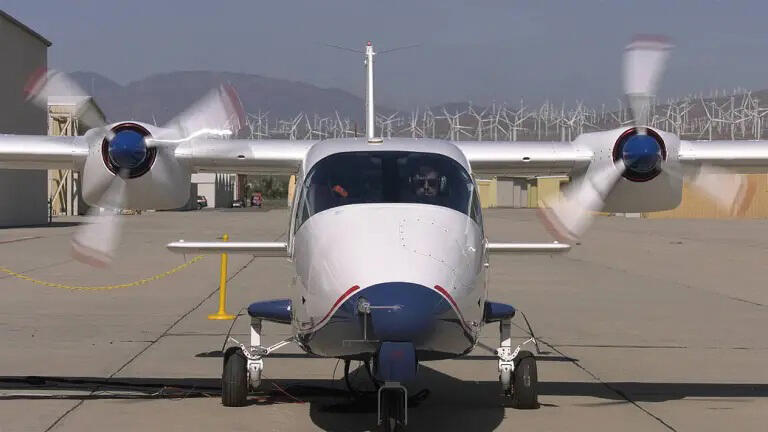
NASA X-57

Credit: NASA

After struggling for years with a variety of technical problems and setbacks, NASA decided in June to conclude its X-57 Maxwell distributed electric propulsion demonstrator program at the end of September without attempting an electric-powered flight.

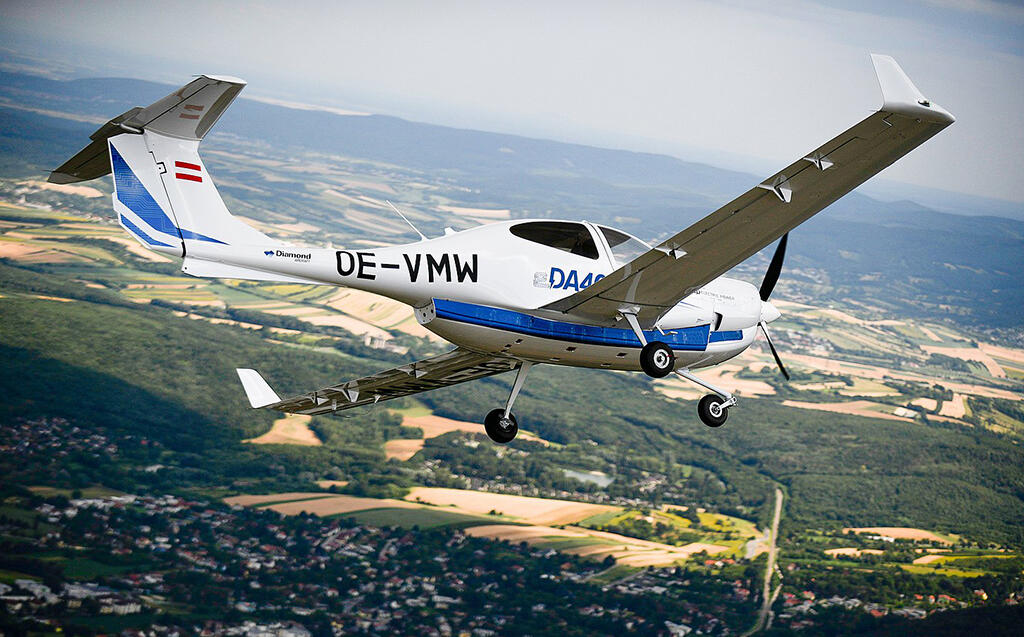
Diamond Aircraft

Electric flight

Credit: Diamond Aircraft

Austria’s Diamond Aircraft flew its eDA40 electric two-seat trainer on July 20, but Italy’s Tecnam Aircraft suspended plans to develop the P-Volt all-electric version of the 11-seat regional aircraft after concluding near-term battery technology is not sufficiently mature.

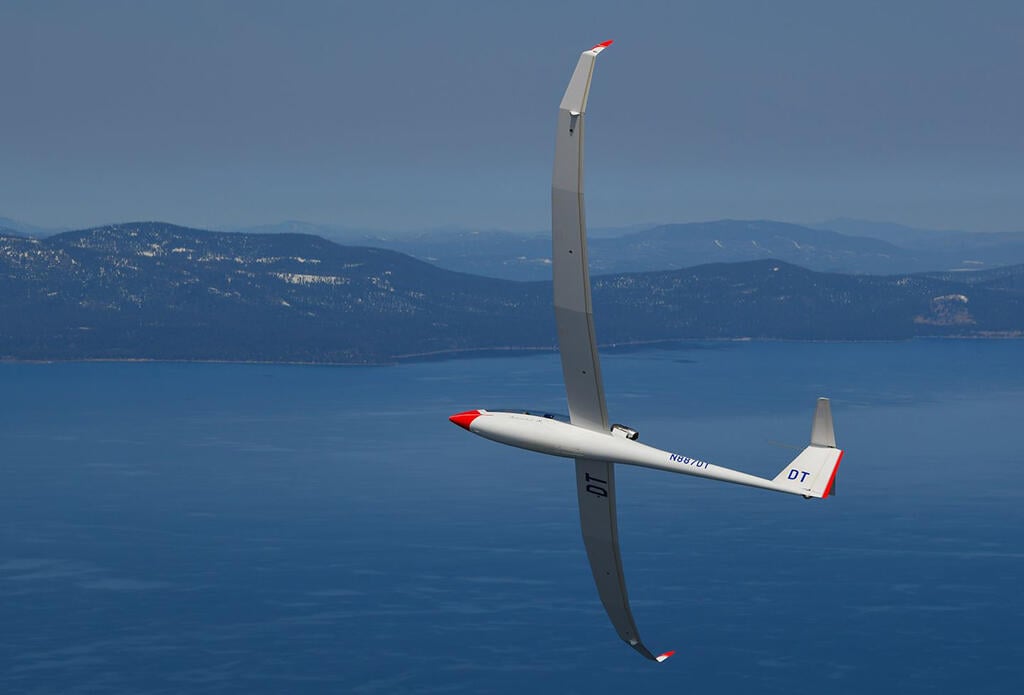
Arcus-J glider

Project Condor

Credit: Airbus

Airbus UpNext launched flight tests of a modified glider powered by a hydrogen-fueled turbojet on Nov. 8 under its Blue Condor project to research the impact of hydrogen on contrail formation. The modified Arcus-J glider made its initial self-propelled takeoff from Minden, Nevada.

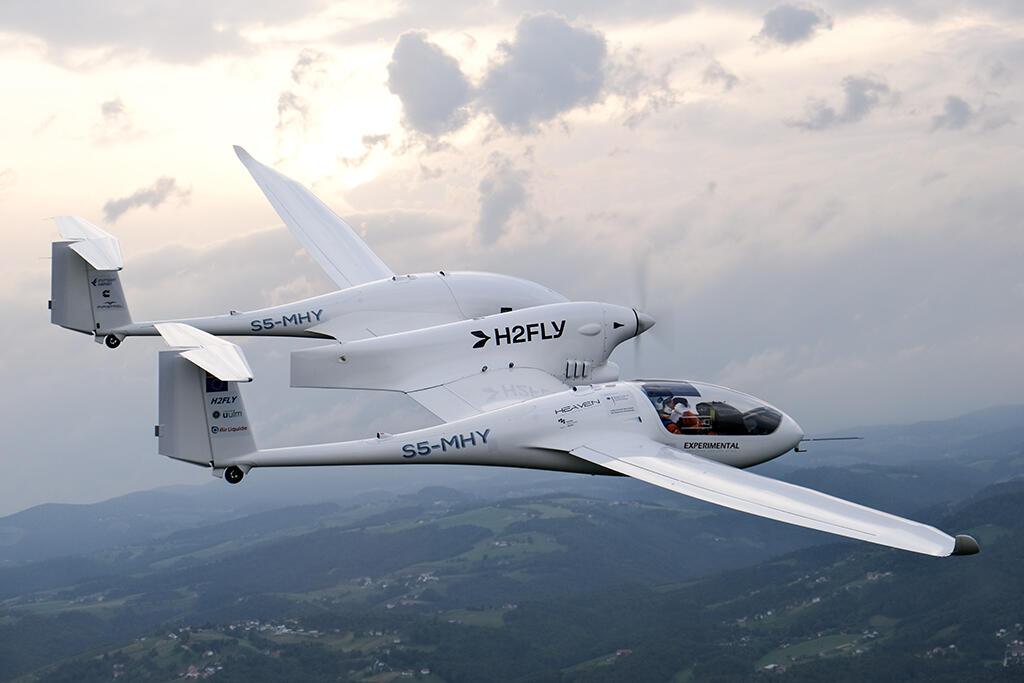
HY4 demonstrator

H2Fly LH2

Credit: H2Fly

Germany’s H2Fly in September completed the first flights of a hydrogen-electric aircraft using cryogenic liquid-hydrogen storage. The startup’s piloted HY4 demonstrator performed four flights from Maribor, Slovenia, under Europe’s Heaven research project, including one lasting more than 3 hr.

Chaparral uncrewed cargo aircraft

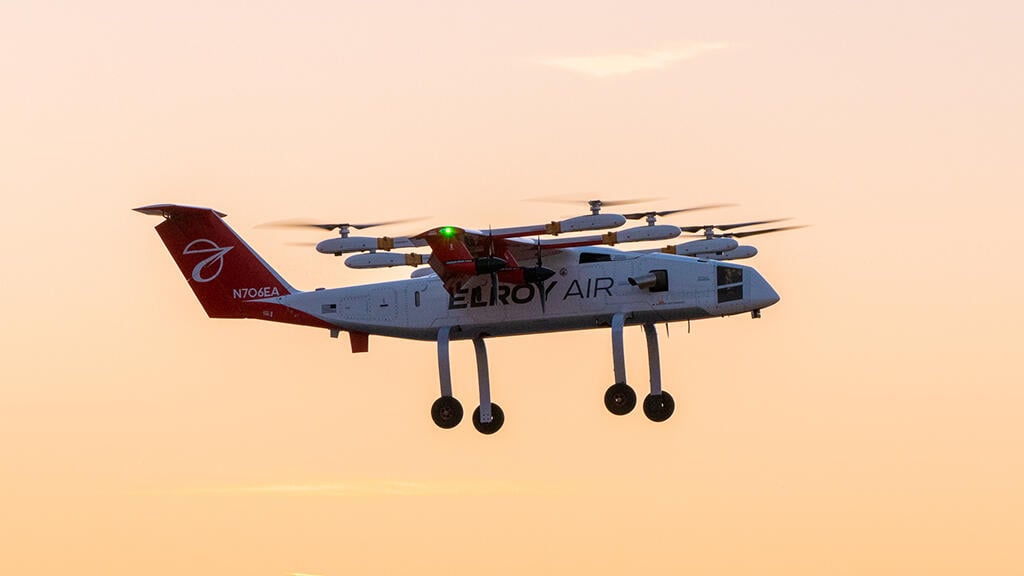
Elroy Air Chaparral

Credit: Elroy Air

Startup Elroy Air conducted the first hover flight of its Chaparral uncrewed cargo aircraft on Nov. 12, the 300-lb.-payload, 300-mi.-range uncrewed cargo aircraft becoming the first turbogenerator-based hybrid-electric vertical-takeoff-and-landing (eVTOL) vehicle to fly.

EL-2 Goldfinch

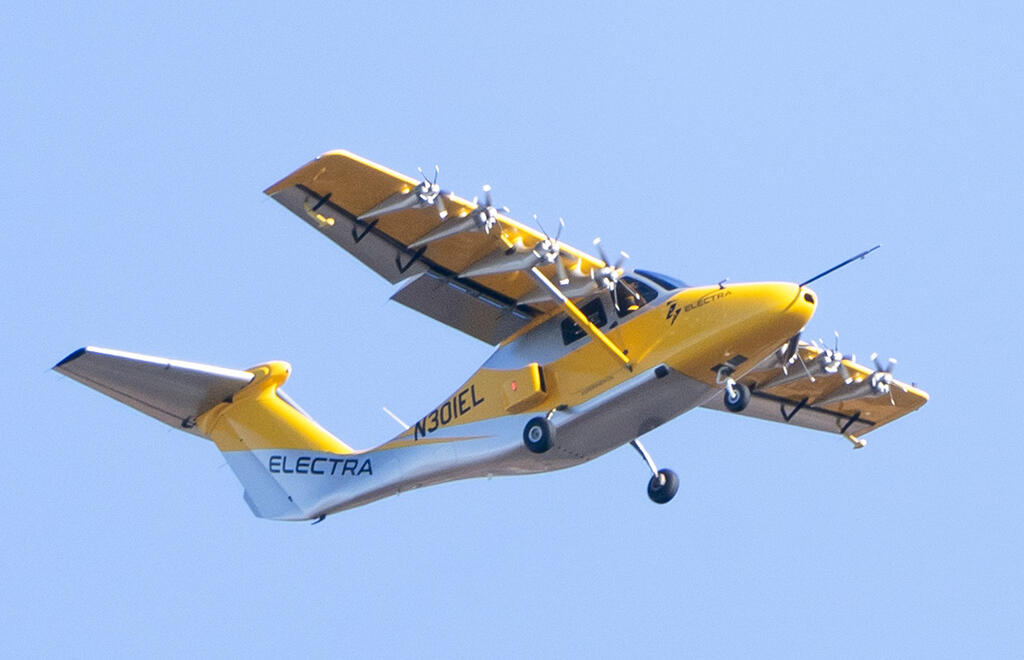
Electra EL-2

Credit: Electra.aero

Startup Electra.aero completed the first pair of piloted test flights with its hybrid-electric short-takeoff-and-landing (eSTOL) full-scale technology demonstrator in November, the two-seat EL-2 Goldfinch flying in both all-electric and hybrid-electric configurations.

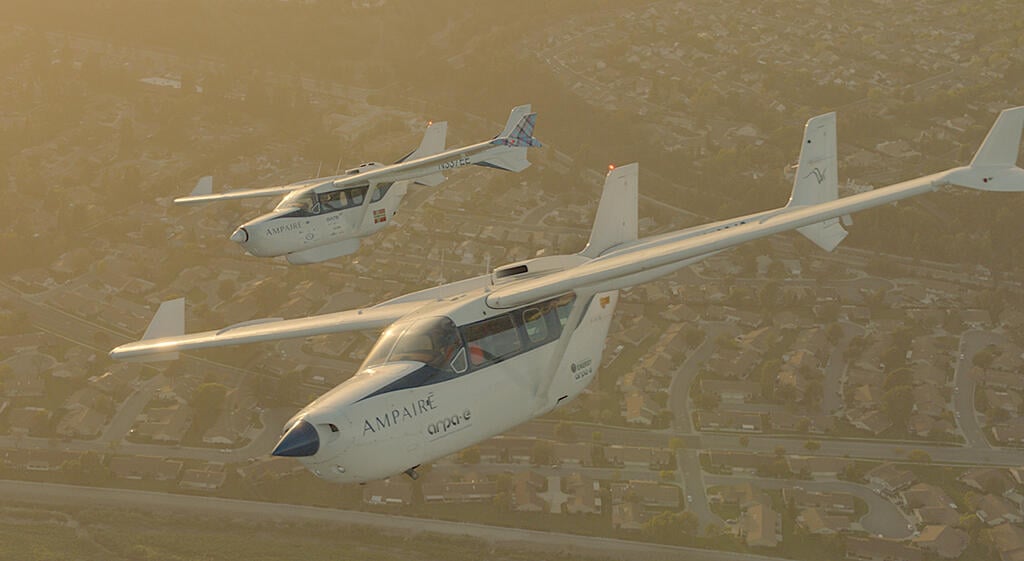
Cessna 337 Skymaster l

Ampaire Electric EEL

Credit: Ampaire

Ampaire claimed a world record for hybrid-electric aircraft endurance after completing a nonstop 12-hr. flight with its Electric EEL propulsion testbed on Dec. 10. The modified Cessna 337 Skymaster landed with 2 hr. of fuel and battery reserves remaining, the U.S. startup says.

Publication date
Gallery cover image
/sites/default/files/styles/crop_freeform/public/2023-12/ad24-propulsion-gallery-1_zeroavia-promo.jpg?itok=MVCT0Ox7